Harmony, Not Discord – Scientific Management Theory
The Secret to Modern Organizational Success
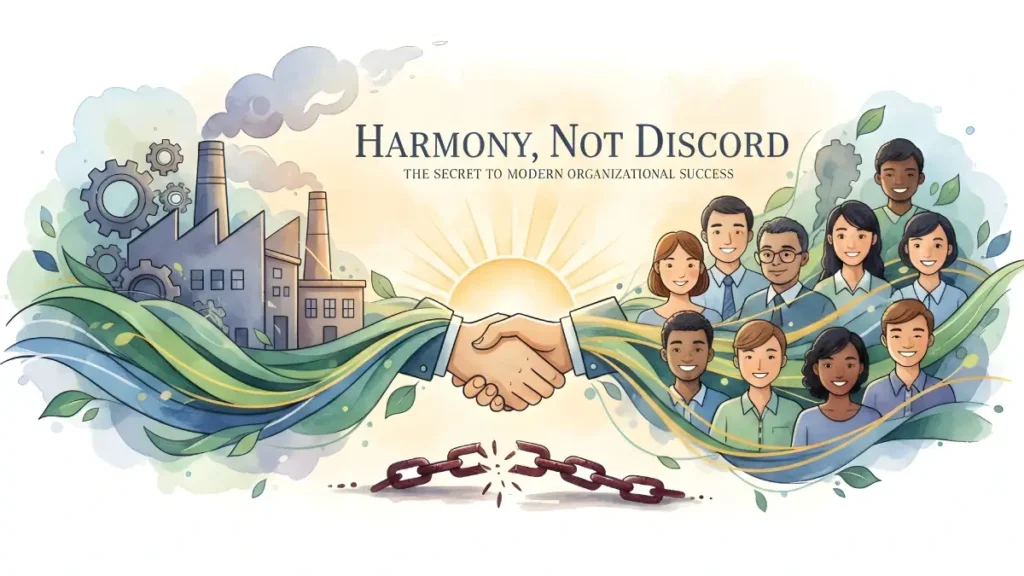
In the world of management, we often hear about “efficiency” and “productivity.” But how do we achieve those without burning out employees or creating a toxic workspace? The answer lies in a century-old principle that is more relevant today than ever: Harmony, Not Discord.
Originally coined by Frederick Winslow Taylor as part of his Scientific Management theory, this principle suggests that the relationship between workers and management should be one of mutual cooperation rather than conflict.
Table of Contents
What is Harmony, Not Discord?
At its core, this principle argues that management and workers have a common interest. In many traditional setups, workers feel that management is exploitative, while management feels workers are lazy. Taylor argued that this “discord” (disagreement) destroys productivity.
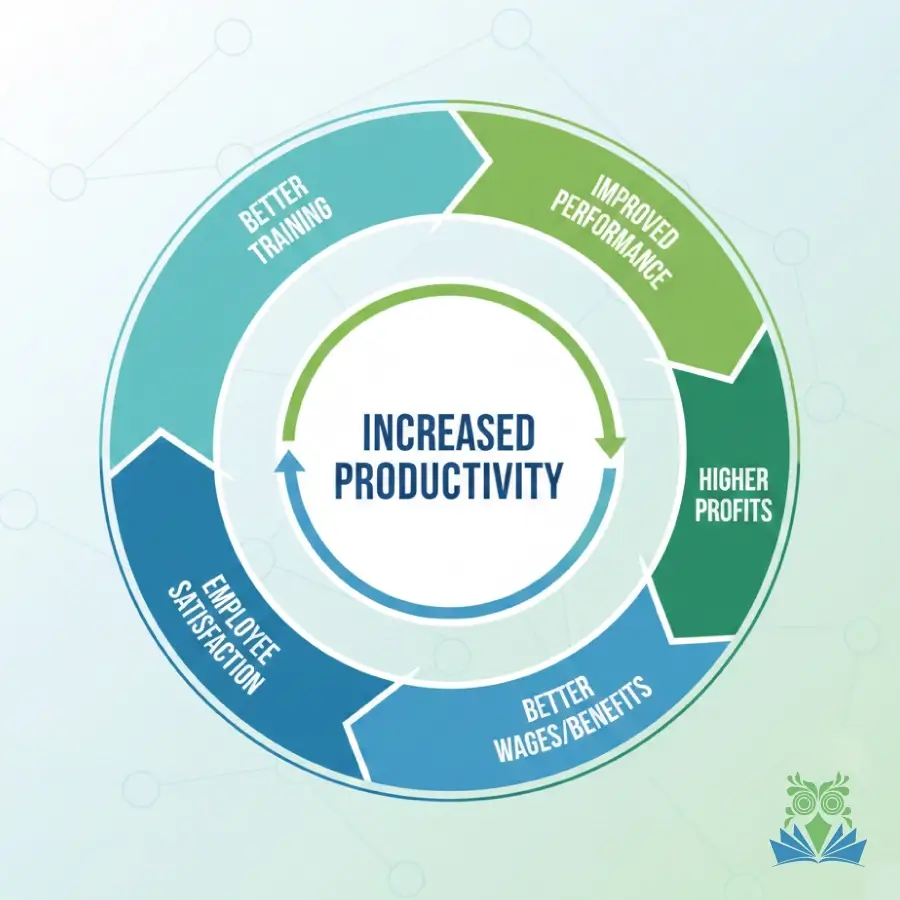
Instead, there should be a Mental Revolution. Both parties must realize that increased productivity leads to higher profits for the company and higher wages for the worker. When everyone wins, the need for conflict disappears.
Why This Principle Matters in 2026?
While Taylorism started in factories, Harmony, Not Discord has evolved into the backbone of modern Corporate Culture and Employee Engagement.
| Feature | Old School (Discord) | Scientific Management (Harmony) |
| Focus | Individual output only | Collective success |
| Communication | Top-down orders | Open dialogue & Feedback |
| Atmosphere | Fear and Suspicion | Trust and Transparency |
| Outcome | High Turnover | Employee Loyalty |
Read More: How to Apply Scientific Management in the Modern Workplace?
Key Components of a Harmonious Workplace
To implement this principle effectively, organizations focus on four main pillars:
1. The Mental Revolution
This is the most critical part. It involves changing the mindset of both the employer and the employee. Instead of fighting over how to divide the “surplus” (profits), they should work together to increase the surplus.
2. Mutual Trust
Managers should be approachable, and workers should feel safe sharing their ideas. When a worker knows their suggestion might improve the workflow, they become an active participant rather than a “cog in the machine.”
3. Shared Goals
Harmony is natural when everyone is rowing the boat in the same direction. Clear KPIs (Key Performance Indicators) that reward both the company and the individual help maintain this balance.
4. Scientific Selection and Training
Harmony is easier to achieve when people are placed in roles they are naturally good at. Providing the right tools and training reduces frustration—a major cause of discord.
Harmony is easier to achieve when people are placed in roles they are naturally good at. Providing the right tools and training reduces frustration—a major cause of discord. To achieve this, organizations must move away from old-fashioned trial and error and embrace Science, Not Rule of Thumb, to ensure every task is optimized for the worker’s capability.
In the past, the man has been first; in the future, the system must be first. However, the best system requires the best harmony between its people. Adapted from F.W. Taylor.
Read More: Co-operation, Not Individualism: The Heart of Scientific Management Theory
How to Implement Harmony, Not Discord Today?
- Transparent Communication: Share the company’s “Why” with every level of staff.
- Incentive Programs: Ensure that when the company does well, the employees see a direct benefit (bonuses, recognition, or perks).
- Conflict Resolution: Address grievances immediately. Small sparks of discord can lead to a forest fire of resentment if ignored.
- Human-Centric Leadership: Treat employees as valuable assets, not just expenses on a balance sheet.
Frequently Asked Questions (FAQs)
Is Scientific Management still used today?
Does Harmony mean there are no disagreements?
How does this benefit the bottom line?
What exactly is the Mental Revolution in Scientific Management?
Is Harmony, Not Discord, only applicable to manufacturing and factories?
Does this principle lead to increased pressure on employees?
How does this principle relate to modern Employee Experience (EX)?
Conclusion
Harmony, Not Discord, is not just a management theory; it is a philosophy of respect. By aligning the interests of the workforce with the goals of the organization, we create a sustainable environment where innovation flourishes, and stress diminishes.
In an era of “Quiet Quitting” and high burnout, returning to the basics of scientific harmony might be the best move a brand can make.